
Dialed In.
Every Time.
Engineered for Absolute Predictability
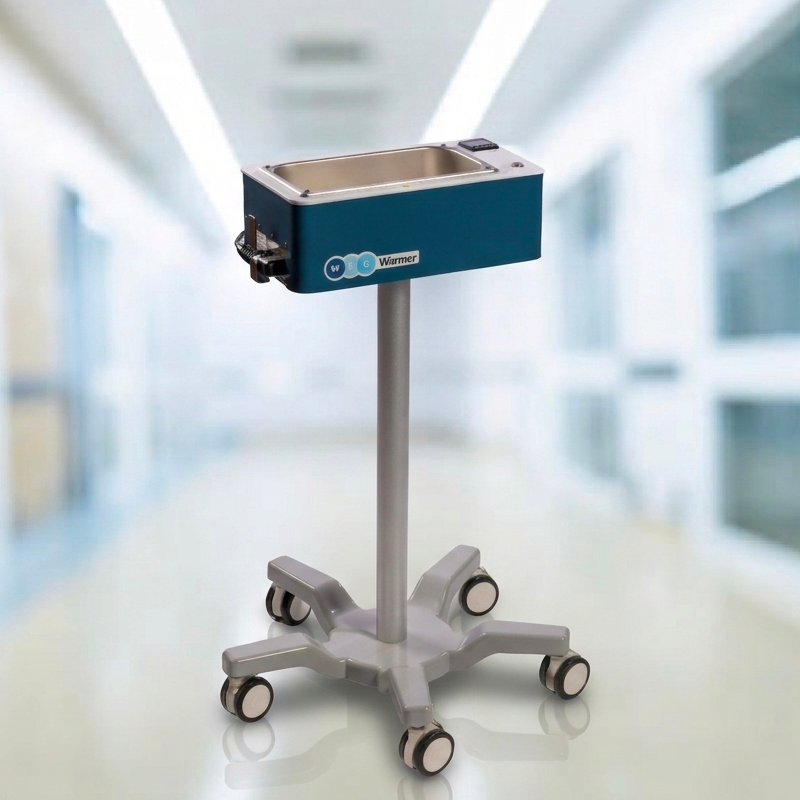
In the surgical suite, managing temperature requires absolute predictability. Through Intelligent Engineering and direct collaboration with operating room specialists, the WEG Warmer™ automates solution warming without adding complexity to your workflow. Our form-fitting drapes glide effortlessly into the warmer basin, while a low center-of-gravity with thoughtful structural details makes it at home in limited spaces. The result is a warming system that preserves sterile field continuity quietly, predictably, and without interruption.
Hypothermia adds between $2,500 and $7,000 per surgical patient to hospitalization costs
The cost of preventing intraoperative hypothermia is much less than the cost of treating the adverse outcomes that affect patients experiencing intraoperative hypothermia.4
Up to 70% of surgical patients experience perioperative hypothermia. The consequences are well documented.

Increased Blood Loss
Even mild hypothermia significantly increases blood loss by 16% and the relative risk for transfusion by 22%.¹

Compromised Healing
Hypothermia is associated with a threefold increase in surgical site infection, extending recovery and putting patients at greater risk.³

Extended Hospital Stays
Wound infections, a direct consequence of unmanaged hypothermia, can prolong a patient's hospitalization by 5 to 20 days.³
The WEG Warmer
Serious Performance
Intelligent Warming
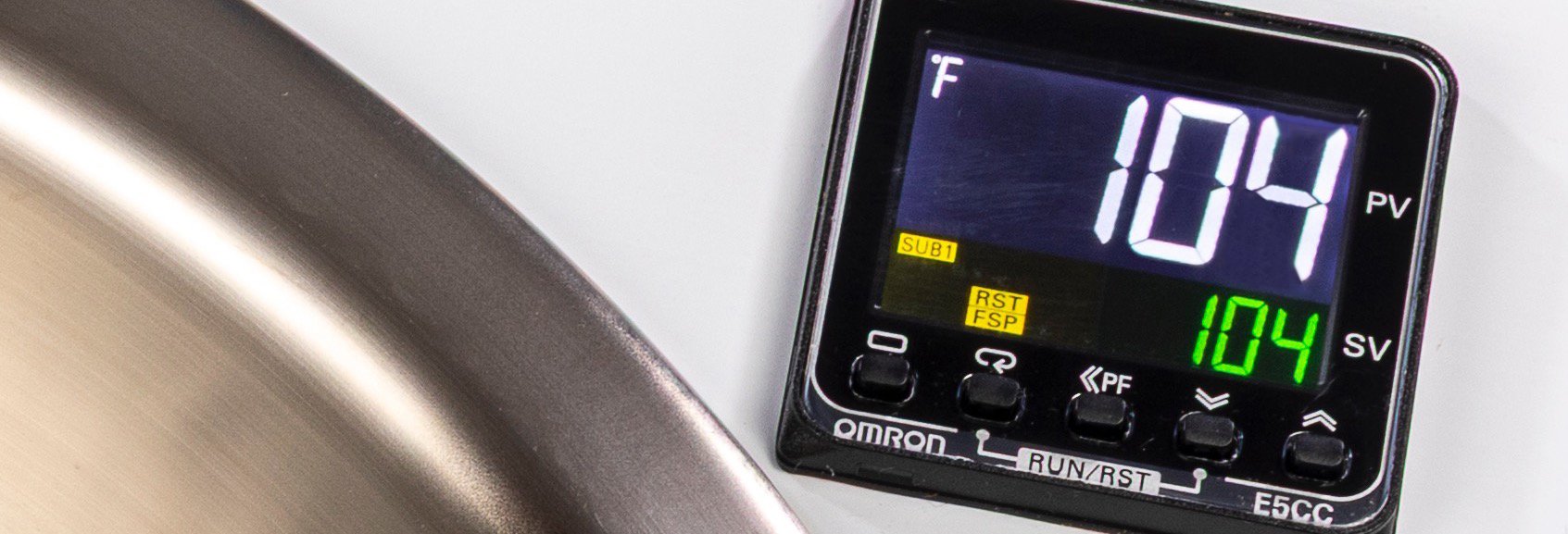
In the OR, the best equipment is the kind you never have to think twice about. The WEG Warmer powers on at 104°F every time, stays precisely calibrated throughout the procedure, and features a drape system engineered to place correctly on the first try. The patented Air Gap Detection System adds a layer of built-in safety that protects both the drape and the patient.
-
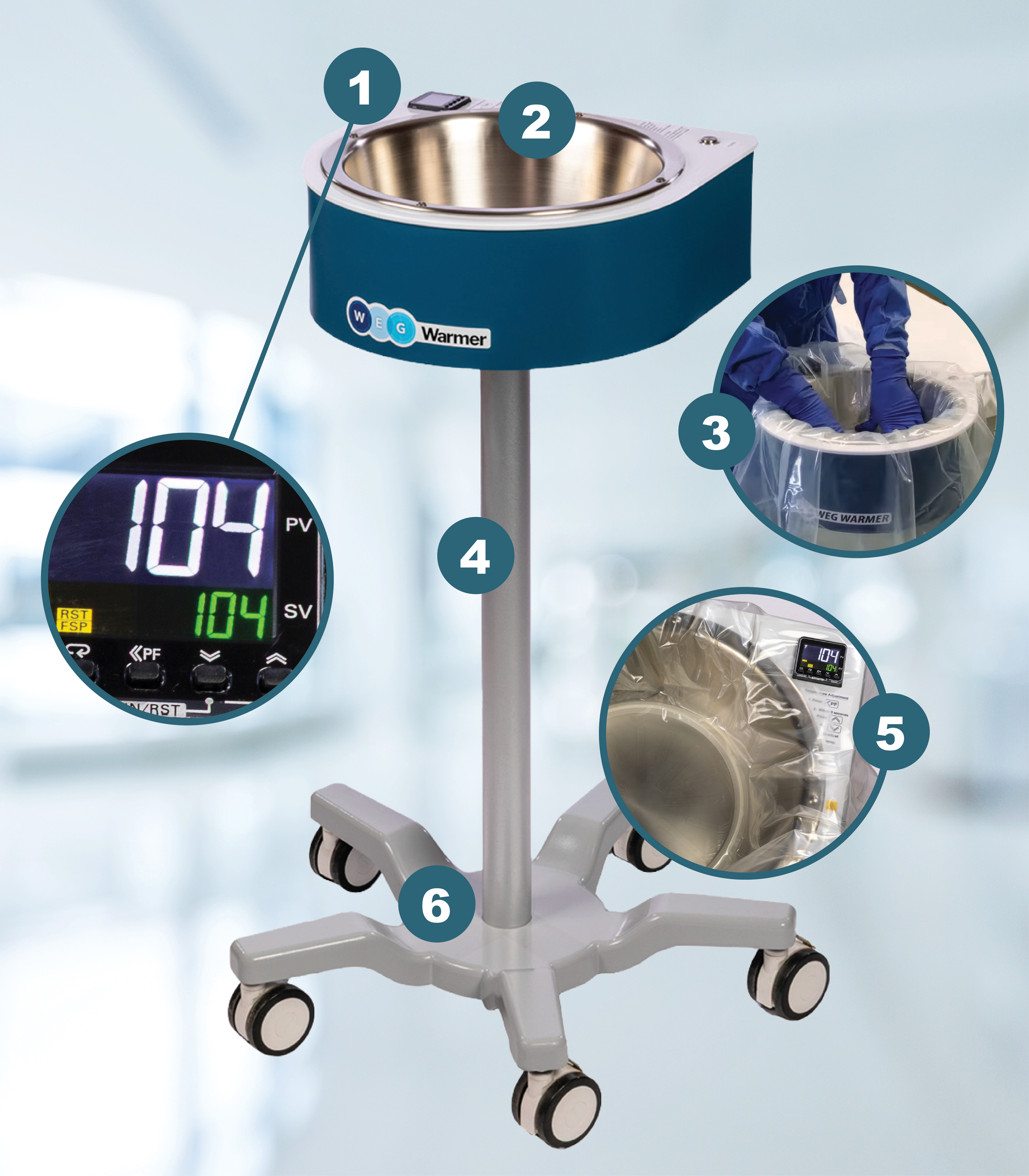
Easy to use
Easy to read
Turns on at 104°F every time
(Following AORN Guidelines)
-
Precise temperature control in
the basinPatented Air Gap Detection System
to prevent melt damage to the drapeRounded corners to protect
the drape
-
Placement frame in the drape makes it easy to consistently locate the drape. Ensures simple and accurate positioning, and reduces hot air gaps developing between the basin and the drape.
Slick drape material on the bottom layer of the drape allows the drape to fit easily into the basin, with no air gaps and optimal heat transfer.
-
Low center of gravity to the stand allows a smaller footprint for the warmer in the sterile area around the table where space is always limited.
-
Embedded frame ensures precise
placement every time - helping to
eliminate air gapsDual layer drape-ensures sterility
-
Large casters ensure it’s
easy to moveLow center of gravity to
increase stability
WEG Warmer Configurations
-
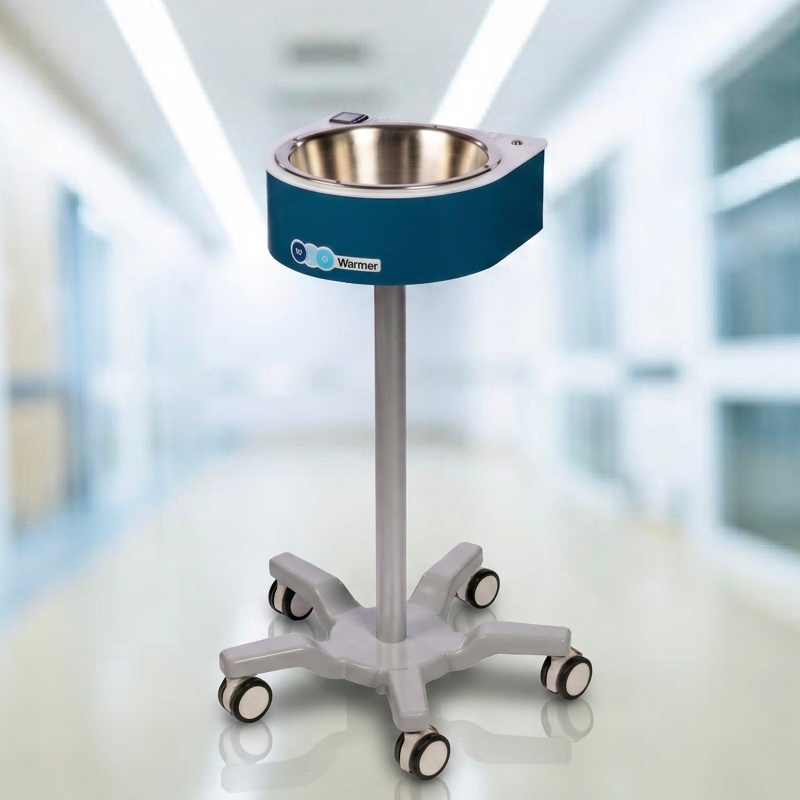
![Model SW-C72L]()
Model SW-C72L
Capacity
7.2 LitersBasin Dimensions
12" Diameter x 4.75" DeepMinimum Required Fluid Volume
1.5 LiterCompatible Drape
SD-CIR44 -
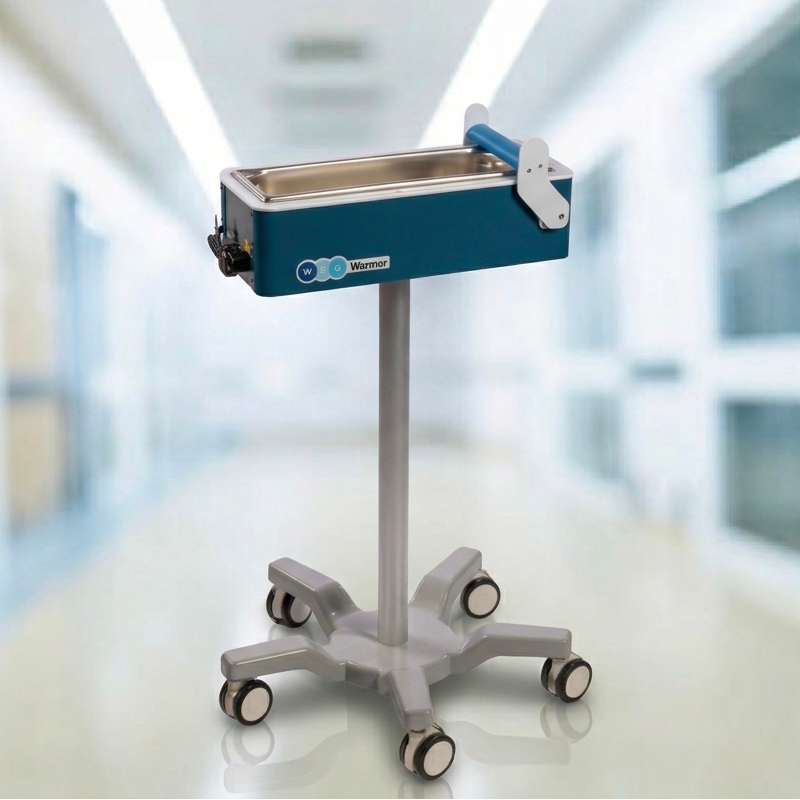
![Model SW-R58L]()
Model SW-R58L
Capacity
5.8 LitersBasin Dimensions
19.5" X 5” X 4" DeepMinimum Required Fluid Volume
1.5 LiterCompatible Drape
SD-REC60 -
![Model SW-R38L]()
Model SW-R38L
Capacity
3.8 LitersBasin Dimensions
11.5" X 5.75” X 4" DeepMinimum Required Fluid Volume
1.0 LiterCompatible Drape
SD-REC44
Power:
120 Volt A/C, 60 Hz, 3 Amps for Model SW-R38L, 4 Amps for Models SW-R58L and SW-C72L
Fuses:
(2X) Fast Acting, 5 Amp, 250VAC, 0.25″ x 1.25″ Glass Body
Environment:
-40°C to +70°C (-40°F to +158°F) storage and transport temperature
10°C to 35°C (50°F to 95°F) operating environment
0 to 90% Relative Humidity, non-condensing
Power Cord:
NEMA 5-15P
Straight-Blade Connector
Hospital Grade
Control Method:
Temperature is controlled by regulation of heat input based on current fluid temperature.
Temperature Setpoint:
Unit comes with a default temperature setpoint that is pre-programmed at the factory. The default setpoint is the temperature the unit controls to when powered on. Upon special request, units can be pre-programmed at the factory to a default setpoint within the AORN guideline temperature range.
Setpoint Adjustment:
The temperature control setpoint can be adjusted within a range of 70°F to 120°F during operation. Setpoint will return to the pre-programmed default temperature when unit is powered on/off.
WEG Warmer Drapes
WEG Warmer Drapes utilize an embedded placement frame and a specialized dual-layer design to eliminate frustrating setups. A slick bottom layer allows the drape to conform effortlessly to the basin contours, while the tacky top layer locks securely in place to prevent sliding, fabric bunching, and localized hotspots.
Trusted in Premier Operating Rooms Nationwide
Join leading healthcare systems across the country in bringing intelligent automation and uncompromised safety to the sterile field. Upgrade your suite with the standard in surgical temperature regulation.
References
1. Rajagopalan S, Mascha E, Na J, Sessler DI. Anesthesiology. 2008;108(1):71-77. 2. Knaepel A. Inadvertent perioperative hypothermia: a literature review. J Perioper Pract. 2012;22(3):86-90. 3. Kurz A, Sessler DI, Lenhardt R; the Study of Wound Infection and Temperature Group. Perioperative normothermia to reduce the incidence of surgical wound infection and shorten hospitalization. N Engl J Med. 1996;334(19):1209-1216. 4. C.B. Mahoney, J. Odom. Maintaining intraoperative normothermia: a meta-analysis of outcomes with costs. AANA J. 1999; 67(2):155-63